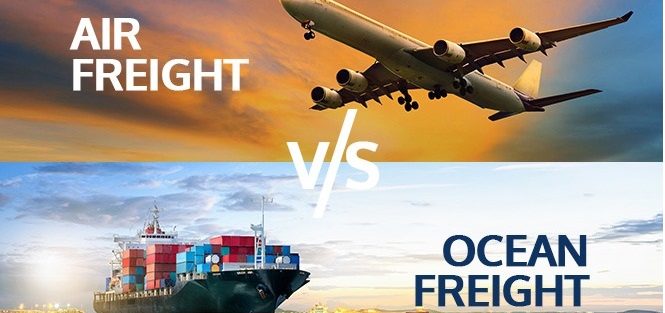
In today’s fast-paced global economy, businesses rely on international shipping more than ever. Whether you’re importing electronics from China, exporting textiles to Europe, or just trying to keep your supply chain running smoothly, the decision between air freight and sea freight can have a major impact on your bottom line.
But which one is better? The answer depends on your cargo, timeline, budget, and sustainability goals. Let’s dive into the pros, cons, and best use cases of air and sea freight.
Air Freight: Speed Over Size
Air freight involves transporting goods by aircraft, making it the fastest method of international shipping. It is best for small, high-value, or time-sensitive goods like electronics, medical supplies, or fashion items with short seasons. Most of air freight in Rwanda is done by RwandAir cargo, but other air carriers like Ethiopian Airlines Cargo and Qatar Airways Cargo play a significant part.
Pros:
- Speed: Deliveries often take just 1–5 days, ideal for urgent shipments.
- Reliability: Airlines operate on tight schedules, reducing the risk of delays.
- Security: Airports have high levels of security, which can lower the risk of theft or damage.
- Lower insurance costs: Due to faster transit and tighter controls.
Cons:
- High cost: Air freight can be 4–10 times more expensive than sea freight.
- Limited capacity: Aircraft have strict weight and volume limitations.
- Environmental impact: Higher carbon emissions per kg shipped compared to sea freight.
🚢 Sea Freight: Volume at Value
Also known as Ocean freight, sea freight involves shipping cargo in large containers via cargo ships—ideal for bulk transport. Sea freight is best for shipping large, heavy, or bulky goods over long distances when cost-effectiveness is the major target. Sea freight is most dominant in Rwanda, when importing goods from other continents.
Pros:
- Cost-effective: Significantly cheaper for large or heavy shipments.
- High capacity: Can handle everything from vehicles to industrial equipment.
- Flexible container options: Full Container Load (FCL) or Less than Container Load (LCL).
- Eco-friendlier (per unit): Lower emissions per kilogram shipped, making it more suitable for Green Logistics or Sustainable Logistics.
Cons:
- Slower transit: Shipments can take 20–60 days depending on routes and customs.
- Delays more common: Weather and port congestion can affect schedules.
- More complex logistics: Requires more planning and often additional ground transport.
You can contact us to assist you with all freight procedures.