Unlocking Efficiency: The Power of Cargo Consolidation in Logistics
In a world where logistics drives global commerce, efficiency and cost-effectiveness are more than just buzzwords they’re business imperatives. One strategy that continues to gain traction in supply chain management is cargo consolidation. Whether you’re a small business owner navigating international shipping or a logistics manager at a large corporation, understanding and leveraging cargo consolidation can significantly impact your bottom line.
What Is Cargo Consolidation?
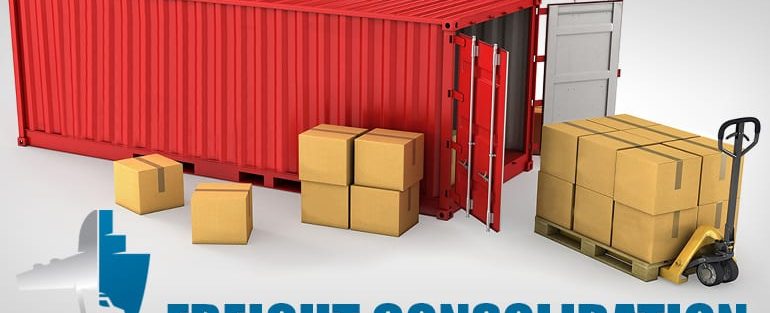
Cargo consolidation is the process of combining multiple smaller shipments often from different suppliers or consignees into one larger, single shipment. This consolidated load is then transported together to its destination, where it’s deconsolidated and delivered to the respective recipients.
This method is especially common in LCL (Less-than-Container Load) ocean freight and LTL (Less-than-Truckload) road freight. Instead of each shipment occupying partial space in a container or truck, consolidation allows for maximum space utilization.
Key Benefits of Cargo Consolidation
- Cost Savings
- One of the biggest advantages of consolidation is lower shipping costs. By sharing transportation with other shippers, you avoid paying for unused space.
- Consolidated shipments often qualify for better freight rates due to economies of scale.
- Improved Efficiency
- Consolidation reduces the number of shipments, leading to fewer customs clearances, documentation processes, and handling stages.
- It streamlines the supply chain and reduces administrative burdens.
- Reduced Environmental Impact
- Fewer trips mean lower carbon emissions. Cargo consolidation supports sustainable logistics by reducing the number of vehicles needed for transport.
- Enhanced Security
- Fewer touchpoints and better container optimization lead to reduced risk of damage, loss, or theft during transit.
Challenges to Consider
While cargo consolidation offers numerous benefits, it’s not without challenges:
- Longer Transit Times: Consolidated shipments may involve additional handling at consolidation and deconsolidation points.
- Complex Coordination: Timing multiple shipments to align for consolidation requires precise planning and coordination.
- Limited Control: Sharing space with other cargo can limit your control over shipping schedules.
Best Practices for Effective Cargo Consolidation
- Use a Trusted Freight Forwarder: Partner with a logistics provider experienced in consolidation services. They manage the coordination, compliance, and efficiency of consolidated shipping.
- Plan Ahead: Advance planning helps match your shipping needs with others on similar routes.
- Optimize Packaging: Standardized, stackable packaging helps maximize space in containers or trucks.
- Leverage Technology: Supply chain management software can identify consolidation opportunities and track shipments in real-time.
Cargo consolidation is more than a tactical cost-saving measure it’s a strategic tool for supply chain optimization. By pooling shipments, businesses gain access to better rates, faster customs processing, and a greener footprint. As global trade continues to evolve, cargo consolidation stands out as a smart solution for companies looking to scale efficiently and sustainably.