In today’s interconnected global economy, logistics plays a pivotal role in ensuring the smooth movement of goods from manufacturers to consumers. However, the environmental impact of traditional logistics operations is undeniable, ranging from carbon emissions and fuel consumption to packaging waste and inefficient resource usage.
As the world becomes increasingly conscious of environmental issues, sustainability in logistics is no longer a buzzword; it’s a business imperative. Companies that prioritize green logistics not only reduce their ecological footprint but also gain competitive advantages, improve brand reputation, and meet growing consumer and regulatory expectations.
What is Sustainable Logistics?
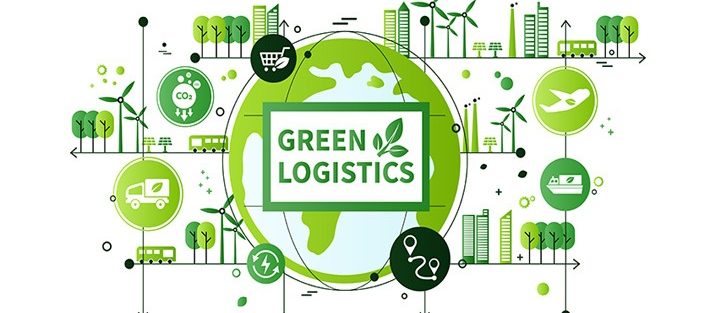
Sustainable logistics, also known as green logistics, refers to the process of planning, implementing, and controlling logistics activities in a way that minimizes their environmental impact. It encompasses everything from reducing emissions and optimizing transportation routes to adopting eco-friendly packaging and embracing renewable energy in warehouses.
The goal is to create a supply chain that is both efficient and environmentally responsible, without compromising service levels or profitability.
- Green Transportation
Green transportation is the cornerstone of sustainable logistics, as the logistics sector is a major contributor to global CO₂ emissions, largely due to fossil fuel-based transport systems. Companies are now investing in cleaner vehicle technologies such as electric trucks, hydrogen-powered vehicles, and hybrid delivery vans to reduce their carbon footprint.
Route optimization software is also revolutionizing fleet management by using real-time data and AI to map the most efficient delivery paths, cutting down on fuel usage and idle time. In urban areas, companies are turning to micro-mobility solutions such as e-bikes, cargo bikes, and last-mile electric scooters to avoid congestion and emissions. Additionally, shifting long-haul freight from trucks to rail or sea transport—both significantly more fuel-efficient can drastically lower environmental impact.
Partnerships for shared transportation and load consolidation are also helping reduce empty return trips, improving both economic and environmental efficiency. Green transportation is not just environmentally sound; it’s increasingly cost-effective and scalable.
- Eco-Friendly Warehousing
Warehouses, often massive energy consumers, are transforming into eco-efficient hubs through innovative design, technology integration, and renewable energy adoption. Many logistics companies now equip warehouses with solar panels, LED lighting, and energy management systems to reduce electricity consumption. Insulated walls, energy-efficient HVAC systems, and natural ventilation designs are reducing heating and cooling needs. Automation and robotics, while improving productivity, also help minimize energy waste by precisely managing resources and materials.
Additionally, eco-friendly warehousing includes responsible construction practices, such as using recycled or low-impact building materials and implementing green roofs that provide insulation and reduce urban heat islands.
Water conservation methods, including rainwater harvesting and gray water recycling, are also gaining traction. Beyond environmental gains, these sustainable upgrades lead to significant cost savings, operational resilience, and compliance with green building certifications like LEED. Eco-friendly warehousing is becoming a key differentiator in supply chains aiming to reduce environmental impact while boosting long-term efficiency.
- Sustainable Packaging
Sustainable packaging is an essential component of green logistics, tackling one of the most visible and impactful sources of waste in the supply chain. As e-commerce continues to grow, so does packaging waste, making eco-conscious alternatives more critical than ever. Companies are reducing their reliance on single-use plastics by switching to recyclable, biodegradable, or compostable materials such as paper, plant-based plastics, and molded pulp.
Packaging right-sizing: designing packages to fit products precisely—reduces material use and improves transport efficiency by enabling more compact shipments.
Returnable packaging systems, like reusable crates or containers, are also gaining popularity in B2B and closed-loop logistics environments. Some businesses are exploring innovative materials, such as seaweed-based wrappers and mushroom foam, that break down naturally and leave no harmful residue.
Beyond environmental benefits, sustainable packaging enhances brand image, meets regulatory requirements, and appeals to environmentally conscious consumers. It’s a strategic, cost-effective move that aligns operational goals with growing demands for sustainability.
The Role of Technology
Technology is the backbone of sustainable logistics. From AI-powered route planning to blockchain-based supply chain transparency, tech enables companies to track, measure, and optimize their sustainability efforts.
- IoT sensors monitor vehicle emissions and temperature-sensitive goods.
- Data analytics identify inefficiencies and forecast demand to avoid overproduction.
- Digital twins simulate logistics operations to test sustainability strategies before real-world implementation.
Benefits Beyond the Environment
While the ecological impact is the most obvious benefit, sustainable logistics delivers value across multiple fronts:
- Cost savings through fuel efficiency and waste reduction
Lower fuel use, optimized routes, and reduced packaging waste significantly cut operational costs, improving overall profit margins without compromising service quality. - Regulatory compliance with evolving environmental laws
Adhering to green standards avoids fines, secures permits, and positions companies ahead of tightening environmental regulations across global markets. - Customer loyalty from sustainability-minded buyers
Eco-conscious consumers prefer brands with visible sustainability efforts, increasing repeat purchases and fostering long-term brand trust. - Improved resilience to climate-related disruptions
Sustainable practices build supply chain flexibility and reduce vulnerability to extreme weather, fuel price spikes, and resource scarcity. - Brand differentiation in a crowded marketplace
Sustainability sets brands apart, showcasing innovation, responsibility, and future-readiness, appealing to investors, partners, and socially-aware customers.
Challenges on the Path to Sustainability
- High Initial Investment in Green Technologies and Infrastructure
Transitioning to sustainable logistics often requires substantial upfront capital. Whether it’s investing in electric vehicles, renewable energy systems for warehouses, or advanced software for route optimization, the initial costs can be daunting.
- Resistance to Change Within Traditional Supply Chains
Established logistics systems are typically built around speed, cost, and reliability, not environmental impact. Introducing sustainable practices often requires a cultural shift, retraining staff, revising supplier contracts, and reengineering processes. Many stakeholders may resist changes that seem disruptive or unfamiliar, particularly if the benefits are long-term or intangible.
- Limited Access to Sustainable Options in Certain Regions
Not all geographies offer equal access to sustainable alternatives. In some regions, electric charging infrastructure is scarce, green building materials are limited, or reliable recycling programs are nonexistent. This disparity makes it difficult for companies with global supply chains to implement uniform sustainability standards.
Looking Ahead
The logistics industry is at a turning point. As climate change accelerates and societal expectations evolve, sustainability is not optional—it’s essential. Companies that embed environmental thinking into their logistics operations today will be tomorrow’s leaders.
By reimagining how goods move across the globe, investing in green innovations, and embracing a culture of continuous improvement, logistics professionals can help build a more sustainable, equitable, and prosperous future for all.